
Your Holiday Checklist
Elul
- Elul Reading: Select a book about self-improvement. While these books may not be typical reading material, the month of Elul is an important time for introspection and spiritual growth.
For example:
- Benei Mahashavah Tova – a guide to conscious community by the Piaseczno Rebbe
- Teshuva – Adin Steinsaltz
- The Sabbath – Abram Joshua Heschel
- Mesilat Yesharim – Rabbi Moshe Luzzato
- Listen to the Shofar. Everyone knows the Shofar is the main event on Rosh Hashana but starting on August 14th (second day of Rosh Chodesh Elul this year) about a one-minute version of shofar blowing ends the morning service. Of course, it is just a reminder to do Teshuva while the actual Mitzvah of Shofar blowing is on Rosh Hashana September 13th.
- Attend Selichot Service. While Sephardim recite Selichot the entire month of Elul every year, Ashkenazim begin this year on Saturday night September 5th. Besides our amazing Selichot with Yehuda Green, our Shul offers Selichot the week of September 6th-10th Sunday – Thursday after our 10pm Maariv service.
- Shopping for Rosh Hashana:
- Get your High Holiday seats.
- Score an invitation for a Rosh Hashana meal
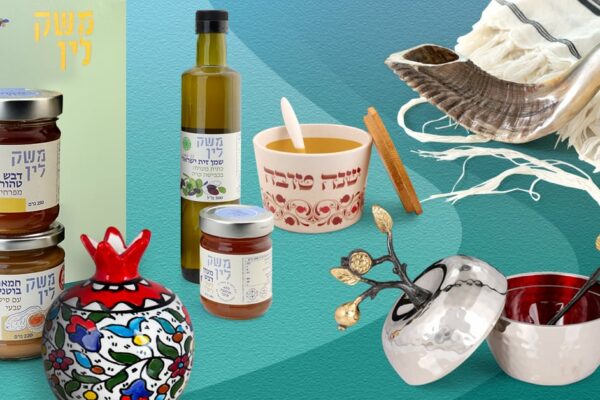
- Make your own Rosh Hashana dinner. The custom for the first night is to include specific foods that signify blessings for the Holiday. While you may have these foods both nights of Rosh Hashana, most people have all these foods the first night. The custom is to dip the Challah in the honey (not salt) through the end of Sukkot. On the second night of Rosh Hashana, the custom is to have the new fruits right after eating the Challah. For the appropriate blessings and how to recite them, please see the Artscroll Machzor. Your list should include:
- Round Challah and honey (skip the salt)
- Apples dipped in honey
- Fish head
- Carrots
For extra credit you can add:
- Beets
- Fenugreek
- Leeks
- Gourds
- Dates.
- Sign up for dinner at the Shul. The shul will offer a carefully curated dinner the first night of Rosh Hashana with the special foods integrated into select recipes and tell the related stories.
- While Rosh Hashana is a spiritual time, we also take care of the body so that the soul can celebrate with the body. Three things you can do to integrate body and soul
- When you go to the river or pond, spend some extra time before in solitude with personal reflection.
- When walking to shul, walk with the intention that each step is a movement in sync with being created with a purpose.
- Enjoy eating something you love and while doing so, be aware you are enjoying G-d’s Holiday. For many that would be a nice brisket; for other people that would be apples dipped in honey.
- Tashlich – Join a group to say Tashlich (a prayer by the water’s edge). Pease don’t bring bread to feed the ducks or fish. Not only is it dangerous for the wildlife but many authorities find Halakic problems with it. This year Tashlich is on Sunday, September 13th
- Hatarat Nedarim – Erev Rosh Hashana through Yom Kippur it is appropriate to convene a Bet Din after morning services to nullify oaths. Women usually use the Kol Nidrei service to undo their vows rather than a Bet Din. Note: Any promise you made to someone still must be kept, since it cannot be undone by a Bet Din.
- Shabbat Shuva – The Shabbat between Rosh Hashana and Yom Kippur has a special Haftarah and a special sermon from the Rabbi known as the Shabbat Shuva Drasha.
- Erev Yom Kippur – on September 20th,2026, we begin preparing for our most holy day by eating the best foods. Many people have two almost festive meals, one around lunch time and one an early dinner that must conclude before the fast begins. Make sure to keep eating and drinking hydrating foods and stay away from salt and sugar. Pomegranate juice is great for fasting.
- Yom Kippur attire – Dress for spiritual success. White for purity or a reminder of the shrouds we will be buried in. Men wear a Kittel (after marriage.) Many women wear white. No leather shoes, but belts are okay. Some people don’t wear jewelry.
- Yom Kippur Restrictions – Although the fast on Yom Kippur is very serious, it is not more serious than your life. If you have a medical condition or are elderly, pregnant or nursing, please talk to your doctor and rabbi about your health. Many times, the mitzvah of taking care of yourself overrides the mitzvah of fasting. Then again, healthy people who just like food should be fasting. In addition to tasting, we don’t bathe or anoint ourselves. We don’t wash ourselves in any way that we derive pleasure. Removing dirt or germs is okay. In addition, no marital intimacy, and no leather shoes.